
Review · USA FISHING TRIPS
Smoky Mountains National Park Half Day Fly Fishing
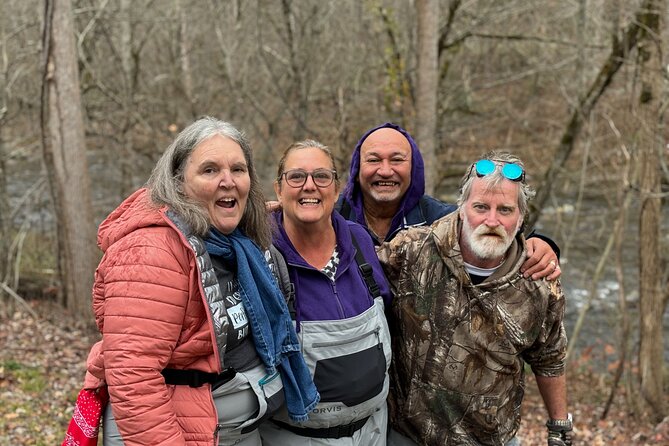
Wild trout, clear water, and a quiet mountain morning. This four-hour outing from Gatlinburg gives you hands-on fly-fishing instruction in Great Smoky Mountains National Park, with an experienced guide helping from the first cast to the final release. I like the way the guide chooses the fishing area around your goals and current water conditions, and I like that all major fishing gear is supplied. The main consideration is that you must arrange both a fishing license and a GSMNP parking pass before you fish.
The trip works especially well for a first attempt because you do not need to arrive with a rod, waders, or a box of flies. Guide Wes has earned repeated praise for clear instruction, good tackle choices, and a friendly manner. Still, four hours passes quickly, and the final fishing spot may involve some walking, depending on the water and the amount of hiking you request.
Key points to know before booking
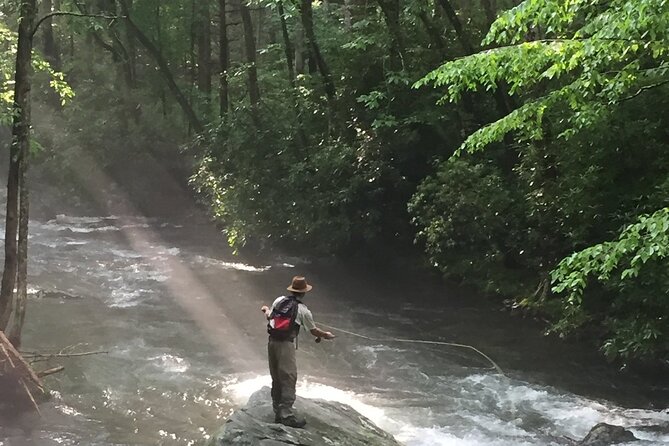
- Guide-led fishing in the national park: Your guide handles site selection, casting instruction, fish handling, and release.
- A flexible fishing location: Many outings head toward the clear Little River waters near Elkmont, but the final spot depends on weather, water conditions, your lodging location, and your goals.
- All core equipment supplied: Rod, reel, line, waders, boots, and flies are included, along with snacks and bottled water.
- A strong choice for beginners: You can learn casting basics and fish handling without owning fly-fishing gear.
- Private four-hour outing: Only your group takes part, and the activity ends back at the meeting point.
- Two extra permits to arrange: You need a Tennessee or North Carolina fishing license and a GSMNP parking pass.
Starting in Gatlinburg and heading into the park
The listed starting point is the Embassy Suites by Hilton Gatlinburg Resort at 604 Airport Road. In practice, the exact meeting arrangement is customized around your lodging and the conditions on the day. Your guide will call before the outing to discuss wader and boot sizing and settle the meeting location, so provide a working phone number when you book.
That call matters more than it may seem. Properly sized waders and boots make a cold stream far more comfortable, and a clear meeting plan saves time on a short half-day trip. You are not simply being dropped at a river with equipment and told to figure it out. The guide follows with you from Gatlinburg into Great Smoky Mountains National Park.
The drive into the park is part of the setting, but the fishing destination is not fixed. Little River near Elkmont is a common choice because of its clear water, yet your guide may choose another area. The decision can reflect the kind of trout you hope to catch, how much walking you want, and the day’s water conditions.
That flexibility is a real benefit. Mountain streams change with rain, temperature, and water level. A fixed location might be convenient, but it would not always offer the best fishing. The tradeoff is that you cannot plan around one exact stretch of river or promise yourself a particular view.
More Fly Fishing Trips in the USA:
- Half-Day Traditional Driftboat Fly Fishing at Jackson Hole
★ 5.0 · 51 reviews - Half-Day Alaska Private Fly Fishing Trip
★ 5.0 · 43 reviews - Guided Fly Fishing Experience in Park City
★ 5.0 · 26 reviews
Choosing between easy access and more stream walking
Before fishing begins, you and your guide discuss what sort of outing suits you. You might prefer to spend more time casting near an accessible stretch of water, or you might be happy to walk farther to reach a fishing area. The supplied information does not promise a specific hike length, so ask about the walking involved when the guide calls.
This is useful for mixed-ability groups. One person may want to focus on learning the cast, while another may already have fly-fishing experience and want better water or a particular type of trout. The guide can use those preferences when selecting the site.
The most important point is that this is not a sightseeing trip with a few token casts. The focus is fishing, and the guide’s job includes reading the water and choosing suitable spots. A fishing hole may look promising to an untrained eye, but current conditions can make another section more productive.
You should still bring a sensible attitude toward the catch. The trip aims to give you a good chance to fish and learn, not guarantee a certain number of trout. One participant’s first fish was a wild rainbow trout, an especially memorable result for a beginner, but fishing always has an element of luck.
Learning the cast without feeling rushed
Your guide begins with the fundamentals of fly fishing. That includes casting basics, selecting suitable tackle, and understanding how to present the fly. If you have never held a fly rod, the supplied equipment and personal instruction remove much of the usual intimidation.
Wes receives particular praise for helping new anglers get comfortable. He also adjusts his help for people who already fish. One experienced angler from Pennsylvania found the advice useful enough to apply back home, especially the choices of tackle and productive fishing holes.
That mix of instruction and practical judgment is the heart of the experience. Casting technique matters, but so does knowing where to place the fly. You will also get help with landing and releasing fish, which is important in a protected national park setting.
Do not expect a formal classroom lesson with a rigid sequence. The instruction takes place beside and in the stream, with the guide helping as situations arise. That approach should suit you if you prefer to learn by trying, correcting, and trying again. It may feel less structured if you want a long technical lecture on fly-fishing theory.
Fishing the clear waters near Elkmont
Little River near Elkmont is one likely setting, though not a guarantee. The clear mountain water gives you a close look at the stream and its surroundings, and the guide can explain how the area’s fish are managed and protected.
One outing included information about the area, local fish, and fish protection. That context adds value because you learn more than how to wave a rod. You also gain a better sense of why careful handling and release matter in a national park.
The scenery is a major part of the appeal, but it does not distract from the fishing. You spend time watching the water, placing casts, and moving through the stream with guidance. The setting feels far removed from Gatlinburg’s hotel strip, even though the trip begins there.
The exact fishing conditions can change the pace. High or poor water conditions may affect the selected location, and the trip requires good weather. If weather cancels the outing, you are offered a different date or a full refund. That policy protects you from being sent into an unsuitable stream, though it means your plans need a little flexibility.
More National Park Trips in the USA:
- Ketchikan Alaska Fishing and Wilderness Dining
★ 5.0 · 207 reviews - Wilderness Tour with Snowmobile & Ice Fishing
★ 4.9 · 28 reviews
Waders, boots, rods, and the practical gear advantage
The outfitter provides the main equipment: fly-fishing rod, reel, line, waders, boots, and flies. Snacks and bottled water are also included. This is a strong value point for a visitor who does not want to purchase equipment for one morning in the Smokies.
The gear also makes the outing easier for a solo participant. You can arrive without a fishing partner or a car full of specialized equipment and still receive individual help. The private format means only your group participates, so the guide can focus on your pace and questions.
Waders and boots are not a minor extra. Stream fishing often requires you to stand in or move along shallow water, and suitable footwear gives you more freedom to reach useful casting positions. Your guide’s pre-trip call about sizing is therefore worth taking seriously. Give accurate clothing and shoe information so the supplied gear has the best chance of fitting well.
You will still want to bring suitable personal clothing, though the provided details do not specify a required packing list. Ask the guide what to wear for the forecast and water conditions. Keep your phone protected if you carry it while wading, and remember that your fishing license can be displayed digitally as a screenshot.
The permits that are not included
The $162.50 per-person price covers the guided activity and the listed equipment, but it does not cover the Tennessee or North Carolina fishing license. For a Tennessee outing, TWRA offers a basic fishing license that is sufficient for this guided activity. You can buy it on the same day and display it digitally on your phone as a screenshot.
The national park does not require a separate trout-fishing supplement for fishing inside Great Smoky Mountains National Park. A supplement may be needed if you plan to fish outside the park before or after the tour, so check the rules for any extra fishing you intend to do.
You also need a GSMNP parking pass. Current prices start at $5, although some people may qualify for a free pass or an exemption. The National Park Service handles the pass details and online purchase information.
These costs are modest compared with buying gear and arranging private instruction, but they can surprise you if you only look at the headline tour price. I would arrange the license and parking pass before the morning of the trip, even though the fishing license can be purchased that same day.
What $162.50 per person buys you
At $162.50 per person, this is not the cheapest way to stand beside a stream. It is also not simply a rental. You are paying for a private guide, transport into the park, equipment, instruction, fishing-site selection, help with landing and releasing fish, snacks, and bottled water.
For a first-timer, that package makes practical sense. Buying a rod, reel, line, waders, boots, and flies would cost far more than a single outing, and choosing a useful fishing location without local help can be difficult. The guide also saves you from learning everything through trial and error.
The value is stronger for a small private group that wants personal attention. A beginner may need repeated help with casting, while an experienced angler may want advice on tackle and stream position. A shared group could cost less, but it would not offer the same control over pace and goals.
The price is harder to justify if you already own all the equipment and know the park’s streams well. In that case, the instruction and local guidance are the main reasons to book. Ask yourself if you want a guided learning session or simply access to water.
Who will enjoy this half-day outing most
I would recommend it first to beginners, couples, solo anglers, and small groups looking for a quiet outdoor activity in the Smokies. A solo participant can book with confidence because the trip is private and the guide supplies the equipment. One solo beginner found the experience particularly memorable after catching a first rainbow trout.
It also suits a mixed group where one person has experience and another is starting from zero. Wes has been praised for helping both newcomers and people who already fly fish. The private structure gives you a better chance of getting the level of instruction you need.
This may not be the right pick if you want a full-day fishing expedition or a guaranteed catch. Four hours is enough for an introduction and a meaningful period on the water, but it is not a long backcountry trip. You should also reconsider if you dislike changing plans around weather or water conditions.
Most people can participate, but the provided information does not give a detailed mobility assessment. Ask the guide about stream access and walking if you have concerns about wading, uneven ground, or the amount of hiking.
Booking timing, weather, and cancellation
This outing is often booked about 38 days ahead, so popular dates may disappear well before a Smoky Mountains vacation begins. Booking early is sensible, especially if you want a particular day during a busy season.
You can cancel for a full refund up to 24 hours before the local start time. Changes made less than 24 hours before the start are not accepted, and late cancellations are not refunded. If poor weather forces the outfitter to cancel, you receive the choice of another date or a full refund.
The confirmation arrives at booking, but do not treat that as the end of the preparation. Watch for the guide’s call about gear sizes and the meeting location, and handle the fishing license and park pass before you set out.
Should you book Smoky Mountains National Park Half-Day Fly Fishing?
Book it if you want a personal introduction to fly fishing in the Smokies without buying equipment or guessing where to fish. The strongest reasons are the private format, flexible location, supplied waders and boots, and patient instruction from guides such as Wes.
I would be especially quick to recommend it to a solo visitor or a first-time angler. You get a real chance to learn the basics, fish clear mountain water, and perhaps land a wild rainbow trout. Just budget for the fishing license and parking pass, accept that the site may change, and remember that a four-hour fishing trip offers good instruction, not a guaranteed catch.
FAQ
How long does the fly-fishing experience last?
The outing lasts approximately four hours.
Where does the trip start?
The listed starting point is Embassy Suites by Hilton Gatlinburg Resort, 604 Airport Road, Gatlinburg, Tennessee. The guide will confirm the meeting details before the trip.
Does the trip end at the starting point?
Yes. The activity ends back at the meeting point.
Is the fishing location always near Elkmont?
No. Many trips head for the Little River near Elkmont, but the final location depends on your goals, desired hiking amount, weather, water conditions, and lodging location.
Is fishing equipment included?
Yes. The outfitter provides a fly-fishing rod, reel, line, waders, boots, and flies.
Are snacks and drinks included?
Yes. Snacks and bottled water are included.
Do I need a fishing license?
Yes. You need a Tennessee or North Carolina fishing license. A Tennessee basic fishing license is sufficient for this guided activity and can be displayed digitally as a screenshot.
Do I need a trout supplement in Great Smoky Mountains National Park?
The national park does not require a trout-fishing supplement for this activity inside the park. A supplement may be needed for fishing outside the park.
Do I need a national park parking pass?
Yes. A GSMNP parking pass is required. Prices currently start at $5, though some people may qualify for a free pass or exemption.
What happens if bad weather cancels the trip?
You will be offered a different date or a full refund. The experience requires good weather.
Just added around the USA
- Wasilla: Ice Fishing Experience★ 5.0 · 2 reviews
- Private High Country Fly Fishing Adventure★ 5.0 · 8 reviews
- Private Full Day Fly Fishing For Beginners and Experienced Anglers★ 5.0 · 21 reviews
- Family Fun Private Half Day Fly Fishing Adventure★ 4.5 · 7 reviews
- Yellowstone Full Day Wade Fishing Trip★ 5.0 · 4 reviews
- Full Day Private Fly Fishing in Yellowstone★ 5.0 · 6 reviews
- Peacock Bass Fishing Trips near Palm Beach Florida★ 5.0 · 9 reviews
- Peacock Bass Fishing Trip near West Palm Beach★ 5.0 · 8 reviews
USA Fishing Trips, compared.
Drift Fishing Trip off the Coast of Fort Lauderdale
Read our review →
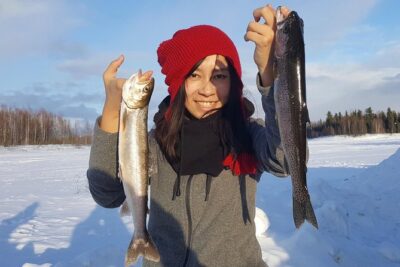
Fairbanks Ice Fishing Expedition in a Heated Cabin with Fish Cookout
Read our review →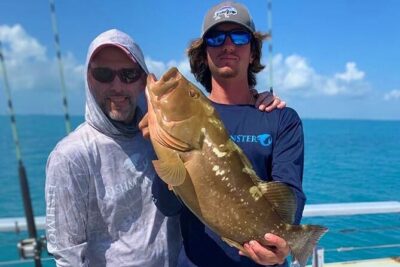
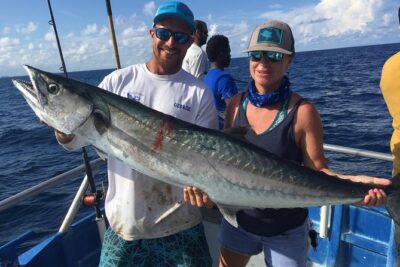
4-Hour Day or Night-Time Reef Bottom Fishing Charter in Fort Lauderdale
Read our review →
Browse the lists this tour appears in