
Review · SPAIN FISHING TRIPS
Santoña: Anchovy Art Gallery with Fishing Port and Market
Santoña smells of the sea. This small Cantabrian town makes anchovies feel less like a snack and more like a local craft, and I like the way this tour connects the working fishing port with the Conservas Ana María gallery. I also like the tasting, which gives you a direct reason to pay attention to all that careful filleting. The main caution is timing: the port portion is listed as 30 hours, almost certainly a publishing error, so confirm the exact schedule before booking.
The guide, Nicolás, has earned strong praise for clear explanations, useful printed and online material, and an obvious passion for Santoña’s fishing traditions. This is not a quick photo stop with a token sample. You get a close look at purse seine boats, ship registrations, the fish auction, old processing machinery, and the Sicilian roots of anchovy filleting in the Cantabrian Sea.
Key points to know before you go
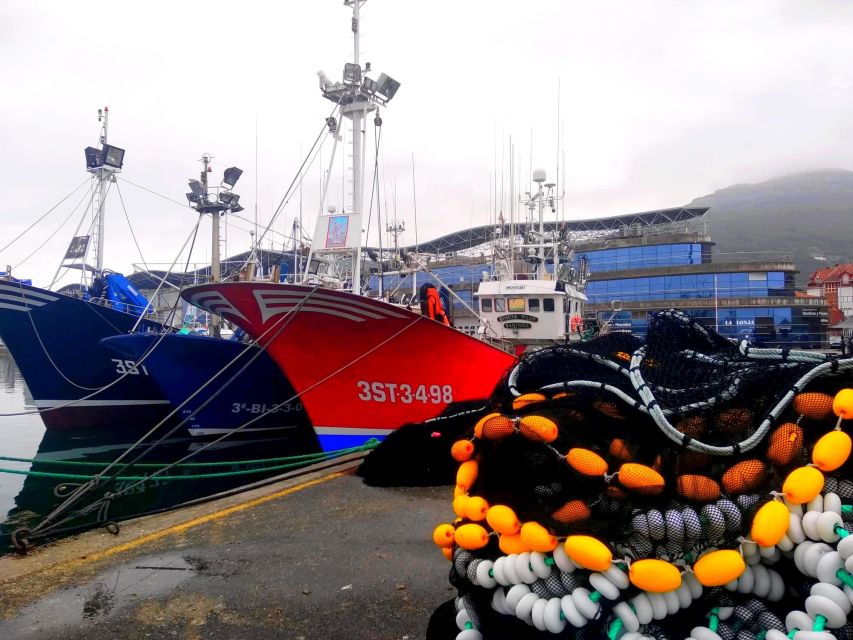
- The port comes first: You begin at the Mirador de las Marismas and Santoña harbor, where the focus is on boats, fishing methods, registrations, and the sale of the daily catch.
- The gallery preserves working equipment: Conservas Ana María displays antique machinery from the early 20th century, helping you see how anchovy production changed over time.
- Filleting is shown, not simply described: A skilled worker demonstrates the handwork behind the finished product.
- The tasting is included: You finish with prepared anchovy fillets at the gallery’s bar and shop.
- Nicolás is a major strength: He guides in Spanish, French, or English and is praised for making technical subjects easy to follow.
- The price is modest for a specialist tour: At $20 per person, the fee covers the gallery entry and tasting, along with the guided port visit.
Why Santoña’s anchovies deserve your time
Santoña is one of those places where food makes more sense when you see its setting. The town’s identity is tied to the sea, fishing boats, preservation, and the people who turn a short-lived catch into a product that can travel far beyond Cantabria.
That connection is the heart of this experience. You are not simply shown a jar or offered a salty bite. You are guided through the chain of work behind it, beginning with the port and ending with a fillet prepared for eating.
I like this approach because it gives the tasting some context. Anchovies can be easy to dismiss as a strong, salty topping. After seeing the care involved in cleaning, filleting, and preparing them, you have a better sense of why a good Cantabrian anchovy is treated as a specialty.
The experience also brings together two sides of Santoña. The harbor is practical and active, while the gallery preserves older tools and methods. One part shows the industry as it functions now. The other gives you a physical record of how the work was done in earlier decades.
More Market Visits in Spain:
- Cooking Class Hoi An:Local Market, Basket Boat, Fishing & Cooking
★ 5.0 · 3,660 reviews - Hoi An Cooking Class(Market,BasketBoat Crabfishing&Cooking Class)
★ 5.0 · 3,386 reviews - Hoi An Cooking Class(Local market,Basket Boat,Fishing & Cooking)
★ 5.0 · 1,323 reviews
Starting at the Mirador de las Marismas and Santoña port
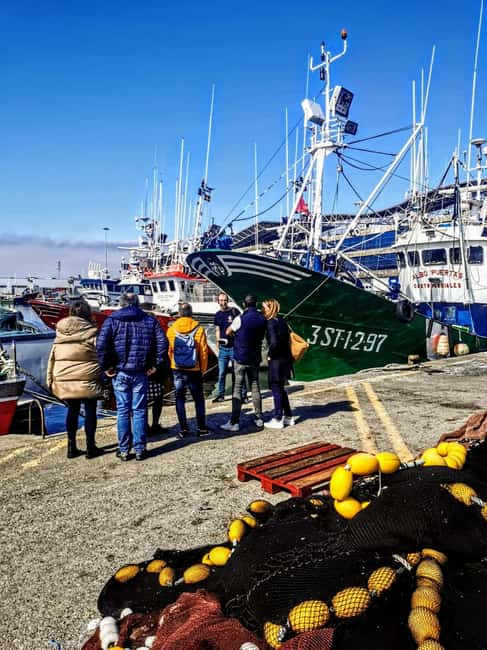
The meeting point is the Mirador de las Marismas, by the port of Santoña. This gives you a useful orientation before the more detailed explanations begin. The harbor is not just scenery here. It is the first main subject.
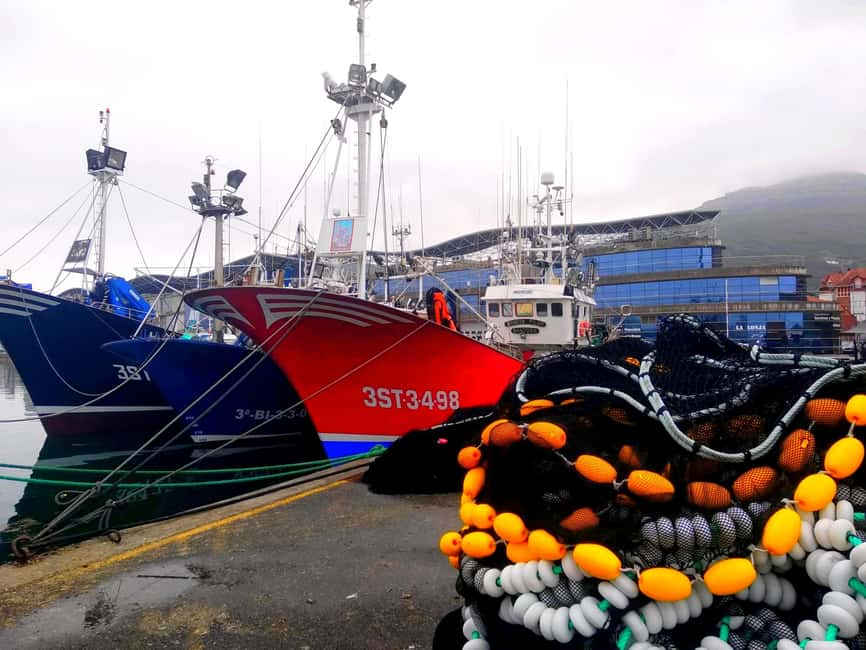
You learn how purse seine vessels work. These boats use a large net to surround schools of fish, then draw the net closed from below. You also learn how to read ship registrations, a small detail that helps you make sense of the boats gathered around you.
For me, this is the kind of information that turns a harbor walk into something more useful. Without a guide, you might see rows of fishing vessels and notice the activity, but miss the clues that explain what each boat does and where it fits into the local fishing system.
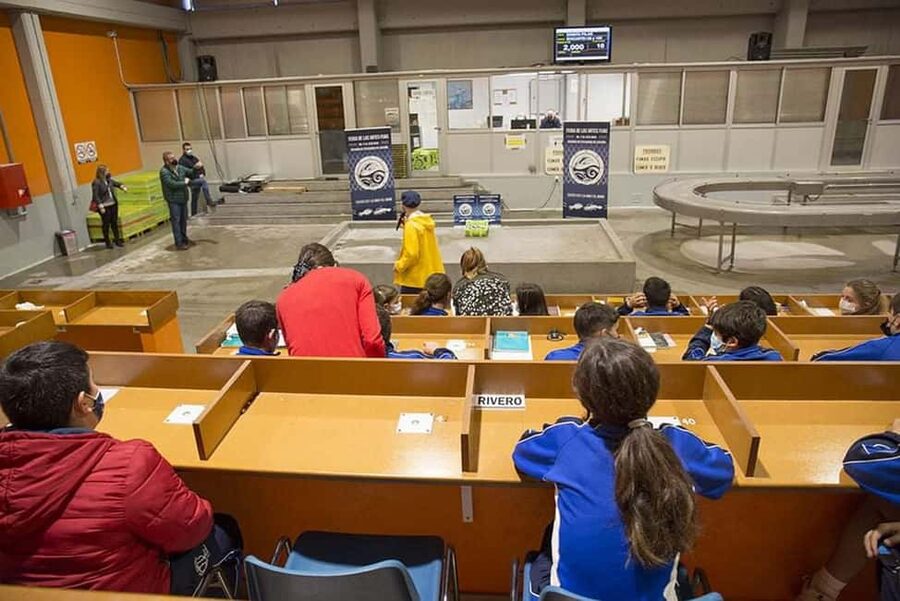
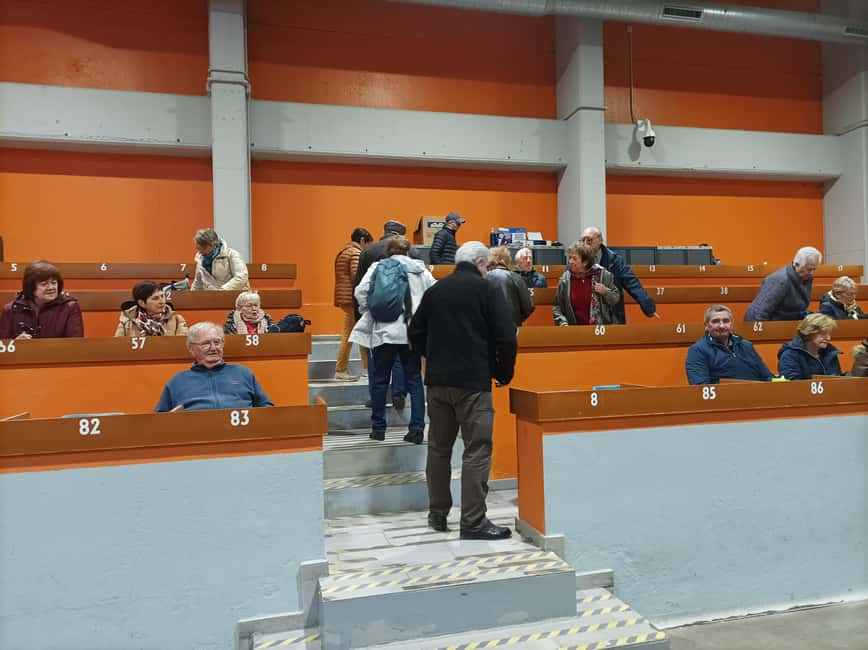
The tour also covers the auction process, where the day’s catch is sold. That matters because it shows the next step after the boats return. Fishing is not finished when the catch reaches land. It moves through sorting, pricing, auctioning, and distribution before it reaches a market, restaurant, or preserving business.
The port portion is listed as a guided visit followed by a five-minute photo stop. The published timing says 30 hours for the guided tour, which cannot fit with the rest of the program and the one-day validity. Treat that figure as an error and ask for the confirmed duration and starting time before you pay.
Do not expect the harbor section to be a long independent wander. It is a guided explanation of a working place, and the quality of that explanation matters. Nicolás is particularly well regarded for bringing extra physical and online material when needed. That is useful if you want more than a few broad facts about fishing.
The fish market and the business behind the catch
The description places the Santoña fish market within the port experience. The market is important because it shows how the catch moves from boat to sale, but the exact amount of time inside the market is not stated.
That means you should see this as a guided look at the port and its trade rather than a guaranteed market-shopping session. The focus is on understanding the auction and the fishing economy, not on building a private food haul.
I appreciate that distinction. A fish market can be exciting, but the best part of this visit is the explanation of what you are seeing. You learn why auctions matter, how the boats are identified, and how a fishing port operates as a workplace.
The port can also be the less predictable part of the experience. Fishing activity depends on the day, and the listing does not promise that you will see a particular catch or a full auction in progress. You should go for the guided introduction to the harbor, not for a guarantee of dramatic action at every minute.
Inside the Conservas Ana María Anchovy Art Gallery
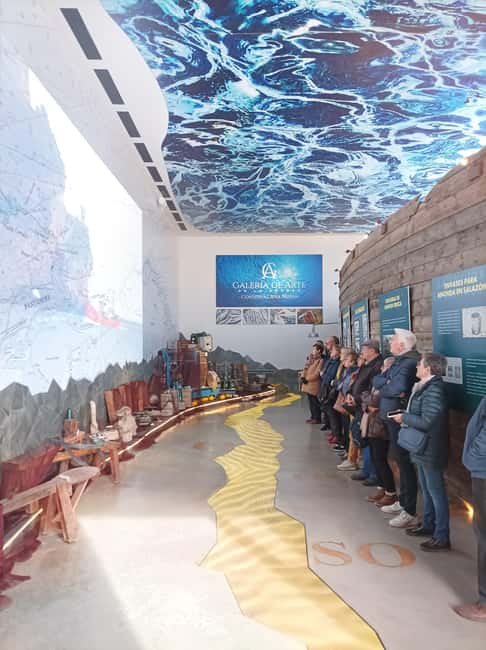
The second major stop is the Anchovy Art Gallery at Conservas Ana María. The gallery holds antique machinery dating from the early 20th century, giving the visit a strong museum element without losing its connection to food production.
Old machines are useful here because anchovy preservation is a hands-on trade with a long working tradition. The equipment lets you see the physical side of the process. This is not only a story about recipes or regional pride. It is also a story about tools, repetition, timing, and skilled labor.
You learn about the Sicilian origins of anchovy filleting in the Cantabrian Sea. That detail adds a wider European connection to what might otherwise seem like a purely local custom. Techniques and workers crossed borders, and Santoña made those methods part of its own food culture.
The gallery visit lasts about 40 minutes according to the published schedule. That is long enough for a focused explanation, a look at the machinery, a demonstration, and the tasting. It is not a large museum visit with room to roam for hours.
I see that as a benefit for most people. You get a clear story without giving up half a day indoors. If you are especially interested in industrial history or food production, you may wish the gallery allowed more time. For a compact town visit, though, the format sounds well judged.
More Shopping Trips in Spain:
- Hoi An: Market Experience with Optional Fishing and Cooking
★ 4.7 · 928 reviews - Hoi An Eco Tour Cooking Class & Fishing (Local market,basket boat,learn cooking)
★ 5.0 · 567 reviews - Hoi An: Cooking Class, Crab Fishing-Basket Boat, Market Tour
★ 4.8 · 108 reviews - Hoi An Eco Tour & Cooking Class ( local market ,basket boat ,fishing,cooking )
★ 5.0 · 22 reviews
Watching an anchovy being filleted
One of the most useful moments is the demonstration by a skilled worker. You see how an anchovy is filleted rather than hearing only a description of the finished product.
This step matters because the final fillet can look simple. The work behind it is not. The demonstration helps you notice the care involved in separating the fish and preparing it for preservation and serving.
I would pay close attention here, especially if you cook or enjoy food-focused tours. The value is not in memorizing every technical step. It is in understanding that the quality of the final anchovy depends on manual skill as well as the fish itself.
The demonstration also gives balance to the machinery display. The old equipment shows how the industry developed, while the worker shows the human skill that machines do not replace. That contrast is one of the strongest ideas in the visit.
Nicolás’s role matters at this point. His explanations have been praised as thorough and easy to follow, and he has used both online and physical material to help people understand the subject. If your group includes people who know little about anchovies, that extra explanation should make the visit more accessible.
The tasting at the bar and shop
The tour ends with an anchovy tasting at the gallery’s bar and shop. The included food is freshly prepared anchovy fillets, served so you can judge the product after seeing how it is made.
This is a small tasting rather than a full meal. You should not book it expecting a broad menu or a long restaurant stop. The point is to taste the local specialty in the place where you have just learned about its production.
I like the order of the experience. If you tasted the anchovy first, it might register as simply salty and intense. After the port visit and gallery demonstration, the flavor carries more meaning. You know something about the boat, the catch, the processing, and the handwork.
The bar and shop setting also gives you a chance to buy products if you wish, although the included portion is the tasting itself. The supplied information does not specify the exact sample size or the full range of shop items, so plan on a focused bite rather than a meal.
Anchovies are not a mild food. If you already enjoy salty seafood, this should be the natural payoff to the tour. If you are unsure, the tasting is still useful because it lets you try the local product in a guided setting rather than committing to a large serving.
Is $20 a fair price?
At $20 per person, this is a good-value specialist experience. The fee includes entry to the Anchovy Art Gallery and the anchovy fillet tasting, while the main value comes from the live explanations at the port and inside the gallery.
You are paying for access to a local working story, not for transportation, a long meal, or a full-day coach excursion. That makes the price look especially fair if you are already in Santoña and can reach the meeting point on your own.
The value also depends on your interest. If you want only pretty harbor views, you can see those without paying for a tour. If you want to understand the fishing economy, anchovy preservation, and the food on your plate, the guided format adds much more.
A four-rating average of 4.5 suggests a strong response overall, with the best comments centered on Nicolás’s clear teaching and passion for Santoña’s anchovy traditions. The slightly lower scores do not point to a major problem, but they are a reminder that this is a specialized visit. Its appeal depends on your interest in fishing and food production.
Languages, timing, and practical planning
The live guide is available in Spanish, French, and English. That is a real advantage in a tour built around technical terms such as purse seine vessels, ship registrations, and auction procedures.
Check the available starting time before booking. The activity is valid for one day, but the exact start time depends on availability. The 40-minute gallery visit is clear, while the port timing is printed as 30 hours, so I would ask the provider to confirm the actual schedule.
The meeting point is the Mirador de las Marismas by Santoña port, and the route returns there. That makes the experience convenient if you are already exploring the harbor area.
Cancellation is flexible: you can cancel up to 24 hours in advance for a full refund. You can also reserve and pay later, which helps if your Cantabria plans are still changing.
The information provided does not state the group size, transport arrangements, or accessibility details. If any of those affect your plans, ask Nicolás C. Servicios Turísticos before reserving rather than assuming.
Who should book this Santoña experience?
I would recommend it most strongly to people who enjoy regional food, working ports, small museums, and guided cultural visits. It is also a good choice if you want an activity that feels rooted in Santoña rather than a generic sightseeing walk.
Families with older children may find the boats, auction, machines, and tasting easy to connect. Food-minded visitors will appreciate the path from catch to finished fillet. Anyone interested in local industry will get more from the machinery and port explanations than from the tasting alone.
You may want to skip it if anchovies are not appealing and you have little interest in fishing or food production. The gallery is compact, and the visit centers on one product. It is focused by design, not a broad tour of every part of Santoña.
I would also avoid booking it without confirming the port timing. The published 30-hour figure is clearly inconsistent with the rest of the program. A quick check will remove the only major planning uncertainty.
Should you book it?
Book this tour if you want to understand why Santoña is known for anchovies, not just sample one. The combination of port activity, auction explanations, old machinery, Sicilian filleting traditions, a live demonstration, and tasting gives you a clear story for $20.
The strongest reason to choose it is Nicolás. His Spanish, French, and English guiding, careful explanations, and extra reference material have been praised repeatedly. If you like a guide who explains the work behind local food, this is a smart pick.
Skip it if you are looking for a full meal, a long harbor cruise, or a broad sightseeing tour. Confirm the exact duration first, then book if the fishing and food focus matches your interests.
FAQ
Where does the experience begin?
It begins at the Mirador de las Marismas by the port of Santoña.
What does the port visit cover?
The port visit covers purse seine vessels, ship registrations, the daily work of the fishing harbor, and the auction process where the catch is sold.
Is the Santoña fish market included?
The experience includes an exploration of the Santoña fishing port and fish market area, with explanations about the catch and auction process.
What is the Anchovy Art Gallery?
It is the gallery at Conservas Ana María, with antique machinery dating from the early 20th century and displays about anchovy production.
Will I see how anchovies are filleted?
Yes. A skilled worker demonstrates the art of filleting anchovies during the gallery visit.
Is food included?
Yes. An anchovy fillet tasting is included at the bar and shop inside the Anchovy Art Gallery.
Which languages are available?
The live tour guide is available in Spanish, French, and English.
Can I cancel the booking?
Yes. You can cancel up to 24 hours in advance for a full refund. You can also reserve now and pay later.
Just added around Spain
- TUNA FISHING TRIPS IN FUENGIROLA★ 4.3 · 5 reviews
- Fishing trip Torrevieja★ 4.5 · 14 reviews
- Best Fishing experience in Tenerife island★ 4.5 · 6 reviews
- 4 Hours Bottom Fishing Day by boat from Marbella★ 5.0 · 23 reviews
- Fishing Trips in Mallorca with Captain Martin★ 3.0 · 6 reviews
- Macaronesia Charter Fishing in Lanzarote (Canary Islands)★ 5.0 · 17 reviews
- Electric Bike Panoramic South Coast Tour Optional Fishing Tapas★ 4.5 · 5 reviews
- Boat and fishing trips in the Cadiz bay★ 5.0 · 19 reviews
Spain Fishing Trips, compared.
Adeje: 3.5–Hour Professional Fishing Experience
Read our review →
Hike Gaztelugatxe, Fishing Port Bermeo & Pintxo Lunch from Bilbao
Read our review →
Hiking Cliffs & Old Fishing Trails around Moraira OFFICIAL GUIDE
Read our review →Browse the lists this tour appears in