
Review · SPAIN FISHING TRIPS
Barbate: Boat Tour to the Almadraba of Conil (Tuna Fishing)
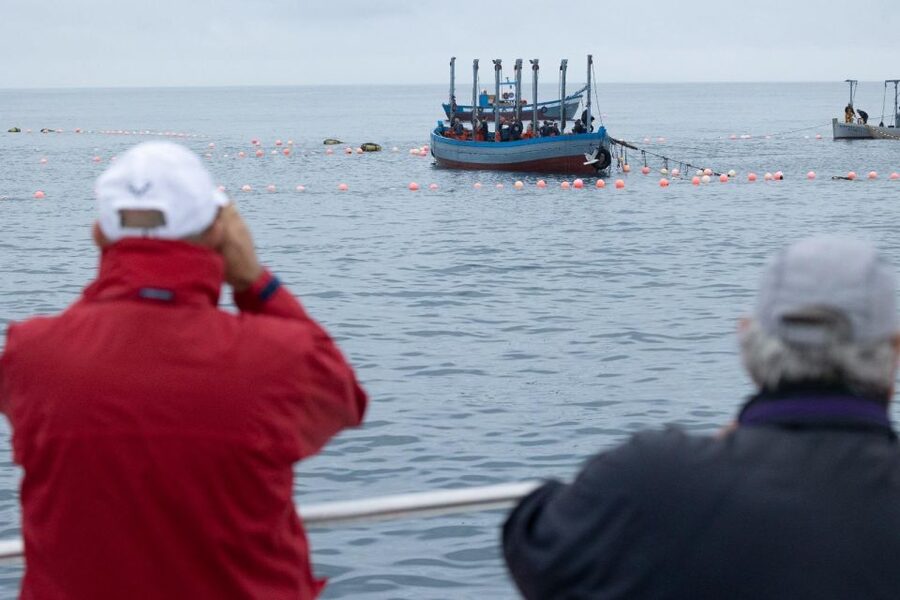
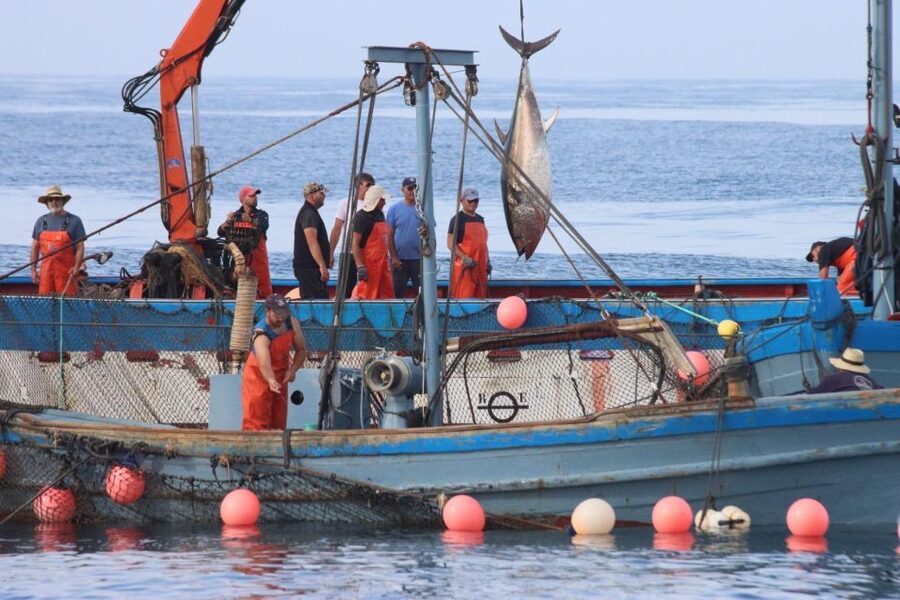
Tuna fishing becomes a sea spectacle. This four-hour boat trip from Barbate takes you across the Atlantic to watch the Almadraba de Conil, a vast traditional trap that guides migrating bluefin tuna into a final net. I like the rare access to a working fishery, and I like that the tour explains the fishing method instead of treating it as a simple boat ride. The main drawback is timing: the trip depends on tides, currents, weather, and the fishing quota, so your chosen date may change.
I also appreciate the onboard food, with coffee and pastries on the way out, followed by tuna prepared in several styles and drinks on the return. The sea crossing can be rough, though. If you are prone to motion sickness, bring medication such as Biodramina and take the warning seriously. One recent booking gave special praise to Charo, calling her the soul of the experience, while another asked for clearer instructions about where to stand for the best views.
Key points before you reserve
- Watch the levantá from about 100 metres away: The boat stays clear of the working fishing operation while giving you a view of the codend, the final section of the trap.
- See a 3,000-year-old fishing system at work: The crew explains how nets, anchors, boats, divers, tides, and currents fit together.
- The catch depends on a precise tide change: When currents in the Strait stop, the fishing crew begins its most important manoeuvre.
- Expect an Atlantic crossing of about one hour: Trafalgar Lighthouse fades behind you as you head toward the Almadraba de Conil.
- The tuna tasting is part of the experience: Food includes coffee and pastries outbound, then tuna in different forms with drinks on the way back.
- Weather and quota can change your date: Staying in the area for two or three days gives you a better chance of fitting in the trip.
Why the Almadraba matters in Cádiz
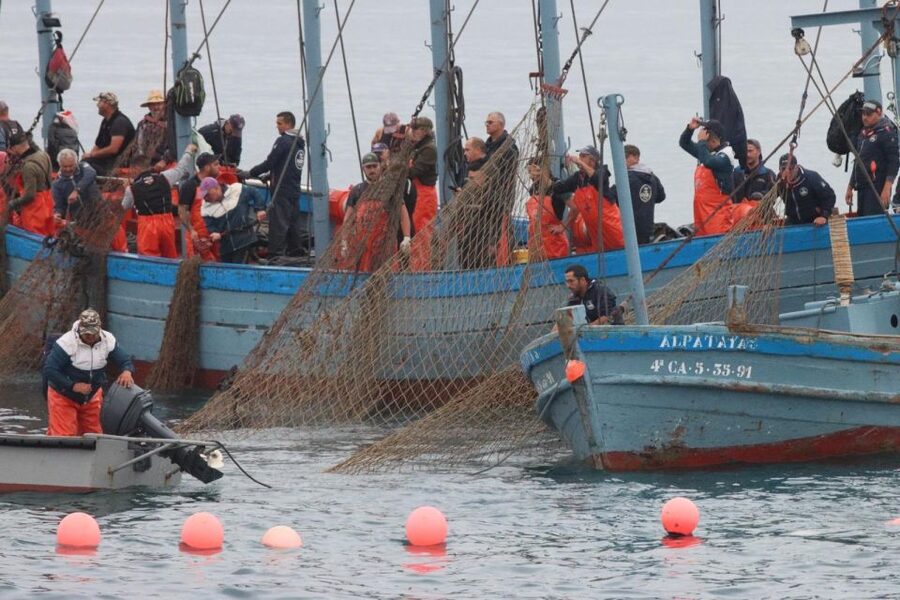
The word almadraba refers to a fixed tuna trap made from a carefully arranged system of nets and heavy anchors. It is not a single net thrown into the water. It is a large underwater structure placed along the route taken by Atlantic bluefin tuna as they move through the Strait of Gibraltar toward the Mediterranean.
This route has been used for thousands of years. The tour presents the Almadraba as both an old fishing tradition and a working commercial operation. That distinction matters. You are not visiting a museum display or watching a staged demonstration. The fishing crew is working according to the fish, the tide, and the quota for the season.
I like this focus because it gives the boat ride a purpose. You are not simply looking at open water for four hours. You are learning how people read currents and tuna movement, then use nets, boats, anchors, and timing to make a catch.
The bluefin tuna migration is central to the whole trip. The fish travel from the Atlantic through the Strait toward the Mediterranean, and the Almadraba takes advantage of that predictable route. The crew explains how this migration has shaped the fishing method and the commercial value of the catch.
More Deep Sea Fishing Trips in Spain:
- Bottom fishing & light trolling Puerto Calero, Lanzarote
★ 4.9 · 39 reviews - Fuengirola: 4h Trolling Fishing Trip with Snacks and Drinks
★ 4.7 · 6 reviews - TUNA FISHING TRIPS IN FUENGIROLA
★ 4.3 · 5 reviews
Leaving Barbate Marina for the Atlantic
The meeting point is Marine Atlantes at Puerto Deportivo, s/n, 11160 Barbate, Cádiz. The trip begins from the marina, giving you a clear starting point for the four-hour outing. The advertised route includes an outbound breakfast of coffee and pastries, so you can settle in with something small before the crossing.
The first major visual reference is Trafalgar Lighthouse. As the boat leaves the coast behind, the crew begins explaining the history, development, and working parts of the Almadraba. This early narration is useful because the trap itself is spread across the sea. Without an explanation, you could easily mistake the fishing boats and nets for a jumble of unrelated equipment.
The crossing to the Almadraba de Conil takes about one hour. That is a meaningful part of the outing, not a minor transfer. You should expect a stretch of open water before the main fishing action begins. Bring a sun hat, sunscreen, and comfortable clothes. Binoculars are also recommended, and they make sense here because the boat keeps its distance from the fishing operation.
The sea conditions will shape your comfort. One booking specifically warned that a rough sea can make the long hours aboard unpleasant for anyone prone to motion sickness. I would bring the medication you normally use and take it before the boat gets moving if that is your usual routine. The tour is much easier to enjoy when you are watching the fishing rather than concentrating on your stomach.
Understanding the trap before the catch
The crew explains the Almadraba’s layout as you approach. You learn about the large anchors, the placement of the nets, and the route the tuna takes through the structure. The purpose of this explanation is not just historical. It helps you understand why the boats are positioned where they are and why the fishing crew waits for a particular moment.
The final part of the trap is the codend. This is the section where the tuna are gathered before the catch is brought upward and toward the working boats. The Marine Atlantes boat positions itself roughly 100 metres from the codend so it does not interfere with the fishing manoeuvre.
That distance is worth noting. You are close enough to observe the operation, but this is not a platform built for easy, up-close viewing. The fishery comes first. You may find that the best view depends on where you stand on the boat and how the vessel positions itself.
A practical point from the feedback is that the crew could give clearer instructions about viewing positions. If you want the strongest sightline, listen carefully before the manoeuvre begins and ask where you should stand. Do not wait until the action starts, when everyone may already be shifting around the deck.
The tide change and the levantá
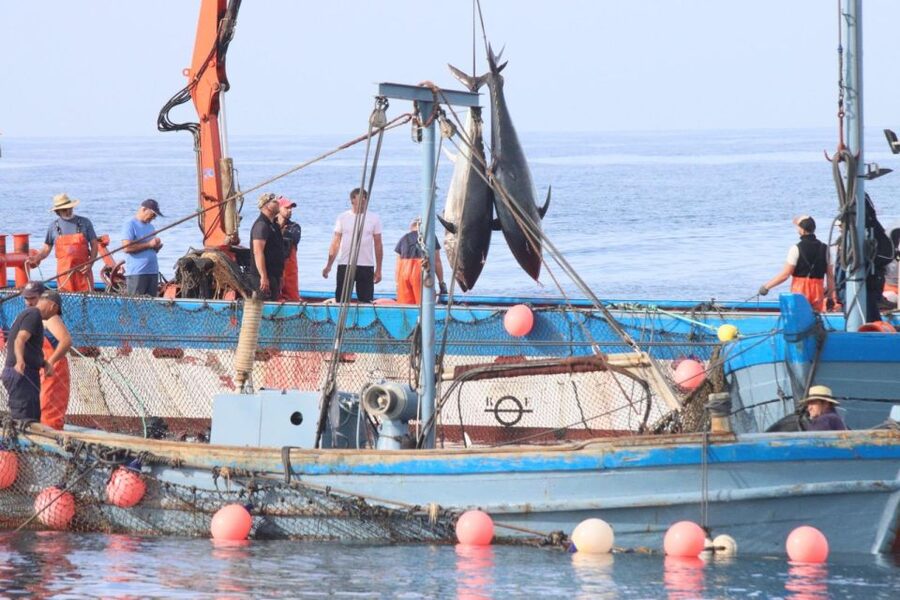
The key moment is the levantá, the raising of the codend. It begins when the currents in the Strait stop at the change of tide. This is not a performance scheduled to the minute for tourists. The fishing crew must wait for the right natural conditions.
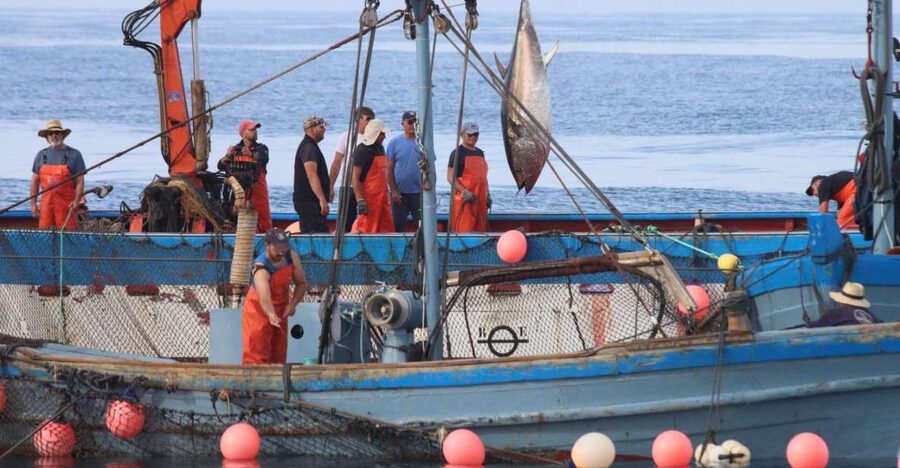
In front of you, the sacada boat holds the Almadraba crew. On the captain’s orders, the crew raises the codend after divers, known as frogs in the fishing language used during the tour, signal that the tuna have passed beneath the boat. That signal is critical because it tells the crew that the fish are in the right position.
The success of the fishing day depends on this timing. If you enjoy seeing traditional work that still relies on local skill and natural conditions, this is the strongest part of the trip. It also means you need patience. The boat may be ready before the fishing crew is. The tide, currents, and fish decide the schedule.
Once the tuna are secured, the crew pulls and raises the codend from roughly 30 metres below the surface. The sacada moves toward the closing boats as the net comes upward. At this point, the bluefin tuna may begin moving near the surface, creating the most dramatic scene of the tour.
You should keep your expectations sensible. The precise amount of visible action will depend on the catch and the boat’s position. The tour is designed to explain and observe the fishing process, not promise a guaranteed display of a certain size of catch.
A few more fishing trips around Spain worth a look
- World Class Fishing Charter Trip in Tenerife
★ 4.5 · 110 reviews - Adeje: 3.5–Hour Professional Fishing Experience
★ 4.3 · 107 reviews - Fishing Trip all included
★ 4.3 · 77 reviews - Fishing trip, Tenerife Sea Passion
★ 4.5 · 68 reviews
Seeing the catch handled with care
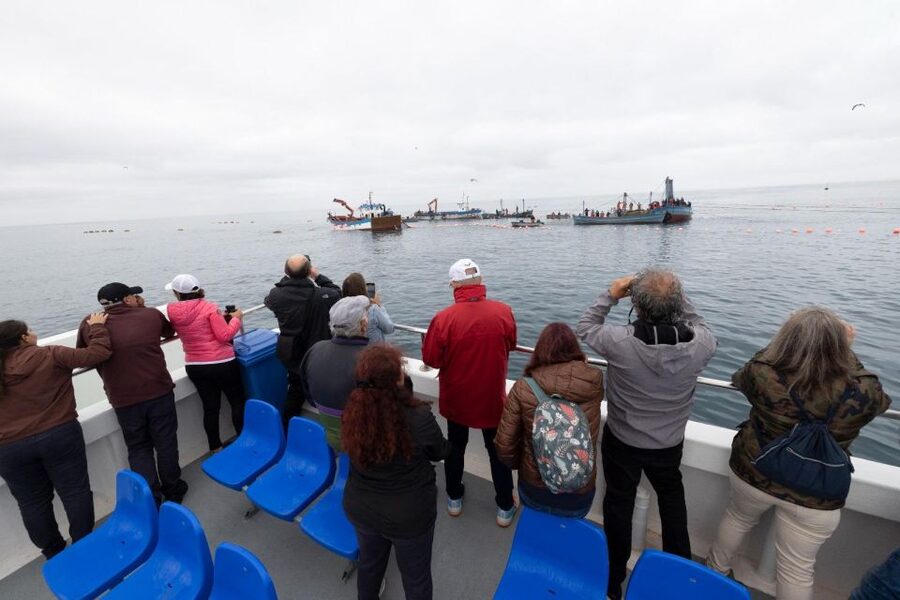
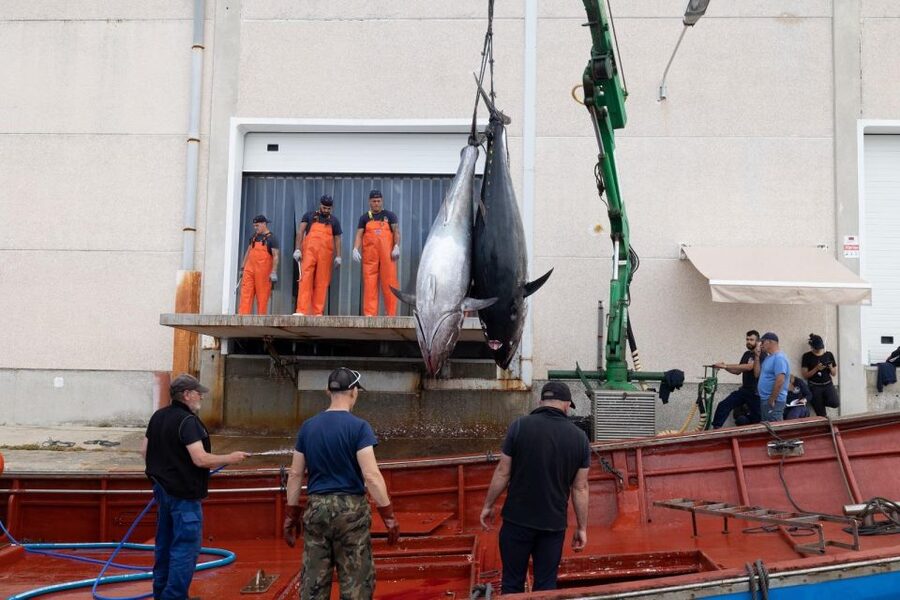
The tour also explains the methods used once the tuna are secured. Techniques associated with Japanese tuna handling, including Lupara and Ikeyime, are used to reduce suffering and protect the quality of the fish.
This is an important detail for anyone interested in food, fisheries, or the route from sea to plate. The value of premium bluefin tuna is tied not only to the fish itself but also to how it is handled immediately after capture. The tour connects the physical work at sea with the quality of the food you taste later.
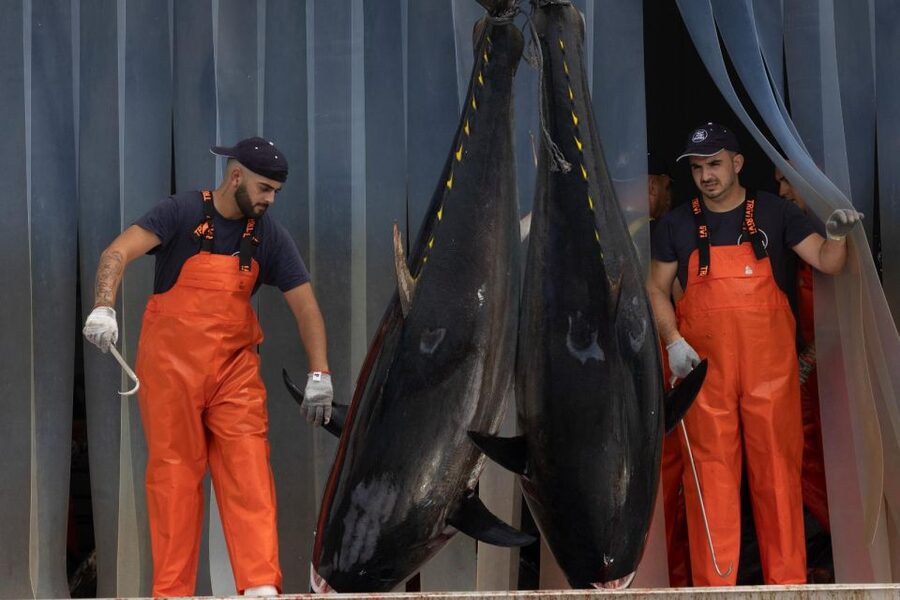
When the first boat loaded with tuna leaves the codend, Marine Atlantes heads back toward port. You do not watch the fish being cut up on the boat. Instead, the tour includes a chance to observe the unloading of the catch at the port or factory boat from your own vessel.
That distinction helps set expectations. This is a fishing observation trip, not a fish-cutting demonstration. You see the catch leave the working area and return toward shore, then watch the next stage from the boat.
Coffee, pastries, and a tuna tasting
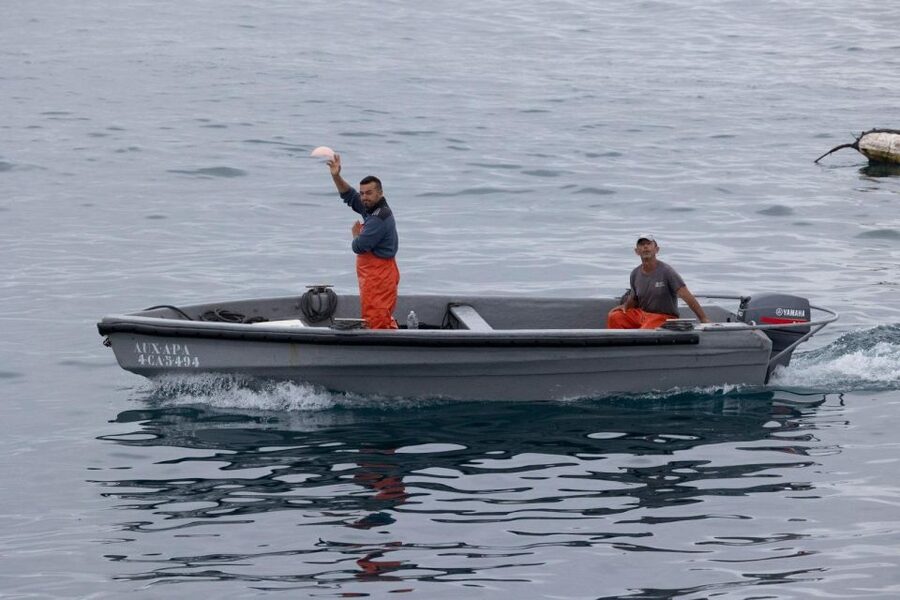
The food makes the price easier to assess. On the way out, you receive coffee and pastries. On the return, you get a tasting of tuna in different varieties, accompanied by drinks.
The tasting is not an extra snack added at the end. It gives you a direct link between the traditional fishing method and the food culture of Cádiz. You have just heard how the tuna migrates, how the trap works, and how the fish is handled. Then you taste the product in several forms.
I would not book this trip only for the meal, since the fishing operation is the main attraction. Still, the food adds real value to a four-hour outing and gives the return journey a pleasant focus. It also makes the experience appealing to anyone interested in Andalusian seafood and the commercial side of local food traditions.
Food is served aboard, so do not bring your own food. The listed restrictions also prohibit pets, weapons or sharp objects, and drones. Bring water only if the operator permits it, and follow the crew’s instructions about what can come aboard.
Is $225 a fair price?
At $225 per person, this is an expensive half-day activity. It is not the right choice if you want a cheap coastal cruise or a casual sightseeing boat. The cost reflects a specialized visit to a working Almadraba, access fees, a live guide, the sea crossing, breakfast, drinks, the tuna tasting, and the chance to observe the unloading of the catch.
The exclusive access matters most. Marine Atlantes is identified as the only company authorised and advised for this activity by the Almadraba group of companies and its tourism subsidiary, Almadraba Tours S.L. That gives the tour a level of access that a general boat excursion cannot offer.
I see the best value for people who would otherwise pay for a food-focused experience and a cultural visit separately. You receive both, along with time at sea and an explanation of an old fishing system that is still operating. The value is weaker if you are mainly interested in swimming, beaches, wildlife, or a fast boat ride.
The 4.4 rating from 11 bookings suggests a generally strong experience, but not a perfect one. The clearest concerns are the possibility of rough water and a need for better guidance about viewing positions. Those are practical issues, not minor details. They can shape your whole morning.
Timing, weather, and the fishing quota
You should plan this tour with flexibility. Dates can change because of weather, and the trip also depends on the fishing season and the quota assigned to the Almadraba. Once the quota is reached, the season ends.
I recommend spending two or three days in the area if this trip is a priority. That gives the operator room to move your departure forward or back by a day if conditions prevent the visit on your original date. It also keeps you from building a tight itinerary around a boat trip that may not run at the expected time.
Book as early as practical. The quota can bring the season to an end, and available places may become harder to find near the best fishing period. You can cancel up to 24 hours before departure for a full refund, and the reserve-now, pay-later option helps if your wider Andalusia plans are still taking shape.
The stated duration is four hours, while the port itinerary information refers to about five hours. I would confirm the exact start and end time before booking transport or another activity for the same day. The fishing schedule itself may also affect the final timing.
Language, comfort, and what to bring
The live guide is available in Spanish and English, with an English audio guide included. That makes the trip workable for English-speaking visitors, while Spanish speakers can follow the live explanation directly.
Pack light but prepare for sun and movement:
- Passport or ID card
- Sun hat
- Sunscreen
- Comfortable clothes
- Binoculars
- Motion-sickness medicine if you normally need it
The passport or ID requirement is easy to overlook, especially for a short local excursion. Bring it. A hat and sunscreen matter because much of the experience takes place outside on the water, with little reason to assume shade.
Comfortable clothes are more useful than dressy ones. You will be standing or moving around the boat to follow the action, and the sea may be unsettled. Binoculars can help you watch the fishing boats and unloading from the required distance.
Who will enjoy this boat trip most?
I would recommend it to anyone interested in traditional fishing, seafood, working coastal communities, or the practical side of food production. It is also a strong choice for people who enjoy learning how an old system works rather than simply photographing a pretty coast.
It suits adults and older children who can handle a boat ride and wait for the right moment. The tour requires attention and patience. The catch depends on the tide, and the best scene may be brief.
Food-minded visitors will get extra value from the tuna tasting. The trip explains why the fish is prized, how it is handled, and how it reaches the port. That context makes the meal more meaningful than a standard onboard snack.
I would hesitate to recommend it to anyone who gets severe seasickness, dislikes open-water crossings, or needs a fixed schedule. I would also avoid booking it as the only activity of a short Cádiz visit unless you can accept a possible date change.
Should you book the Almadraba tour?
Book it if you want a serious look at one of Andalusia’s oldest working fishing traditions and you are willing to let the sea set the pace. The authorised access, detailed explanation, tide-based fishing manoeuvre, and tuna tasting give the trip substance beyond a normal boat outing.
Skip it if your main goal is a low-cost cruise, guaranteed close-up wildlife viewing, or a perfectly fixed timetable. Bring motion-sickness medicine, reserve early, and keep two or three days free in the area if possible. For the right visitor, the best reward is seeing an ancient fishing system still guided by boats, nets, divers, currents, and human judgement.
FAQ
Where does the boat tour begin?
The meeting point is Marine Atlantes at Puerto Deportivo, s/n, 11160 Barbate, Cádiz.
How long does the tour last?
The activity is advertised as four hours. The port itinerary information refers to about five hours, so confirm the exact timing before arranging other plans.
What languages are available?
The live tour guide is available in Spanish and English. An English audio guide is also included.
What food is included?
Breakfast includes coffee and pastries on the way out. The return trip includes a tasting of tuna in different varieties with drinks.
Can the tour date change?
Yes. Weather conditions can cause the date to move. The fishing quota can also end the season, so the operator recommends booking early and staying in the area for two or three days when possible.
What should I bring?
Bring a passport or ID card, sun hat, sunscreen, comfortable clothes, and binoculars. If you are prone to motion sickness, bring the medication you normally use.
Just added around Spain
- TUNA FISHING TRIPS IN FUENGIROLA★ 4.3 · 5 reviews
- Fishing trip Torrevieja★ 4.5 · 14 reviews
- Best Fishing experience in Tenerife island★ 4.5 · 6 reviews
- 4 Hours Bottom Fishing Day by boat from Marbella★ 5.0 · 23 reviews
- Fishing Trips in Mallorca with Captain Martin★ 3.0 · 6 reviews
- Macaronesia Charter Fishing in Lanzarote (Canary Islands)★ 5.0 · 17 reviews
- Electric Bike Panoramic South Coast Tour Optional Fishing Tapas★ 4.5 · 5 reviews
- Boat and fishing trips in the Cadiz bay★ 5.0 · 19 reviews
Spain Fishing Trips, compared.
Adeje: 3.5–Hour Professional Fishing Experience
Read our review →
Hike Gaztelugatxe, Fishing Port Bermeo & Pintxo Lunch from Bilbao
Read our review →
Hiking Cliffs & Old Fishing Trails around Moraira OFFICIAL GUIDE
Read our review →Browse the lists this tour appears in