
Review · ITALY FISHING TRIPS
Fishing Experience – Molinella Trabucco
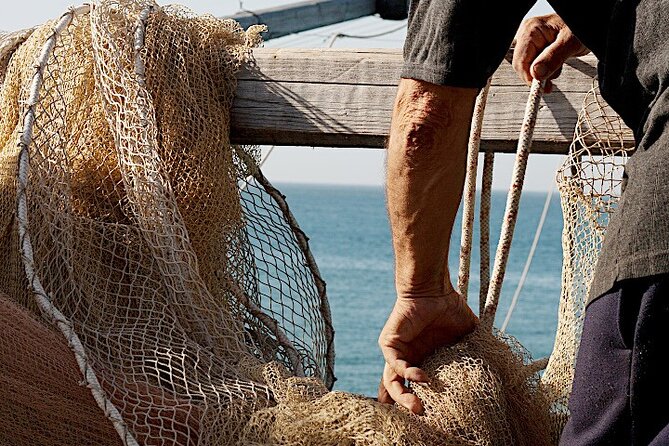
Fishing here runs on muscle, not motors. At Molinella Trabucco near Vieste, you help operate old wooden winches, raise the nets, and learn how Gargano fishermen worked before engines and electronic equipment. I like the hands-on fishing and the chance to meet guide Gianni and master trabuccai Peppino and Natale, who explain this local craft with real feeling. I also like that your roughly 50-minute visit includes wine, olives, taralli, and rustic pizza. The main concern is reliability: several bookings have reportedly ended with nobody arriving, so this experience deserves careful confirmation before you set out.
This is not a guaranteed catch. Fish may be plentiful, scarce, or absent, depending on sea and weather conditions. The experience works best when you see it as a living history lesson with a small tasting, not as a standard fishing trip. At $22.83 per person, I find the price fair if the association uses the proceeds for restoration, but the short duration makes the cultural value more important than the amount of fish in the net.
Key points to know before booking
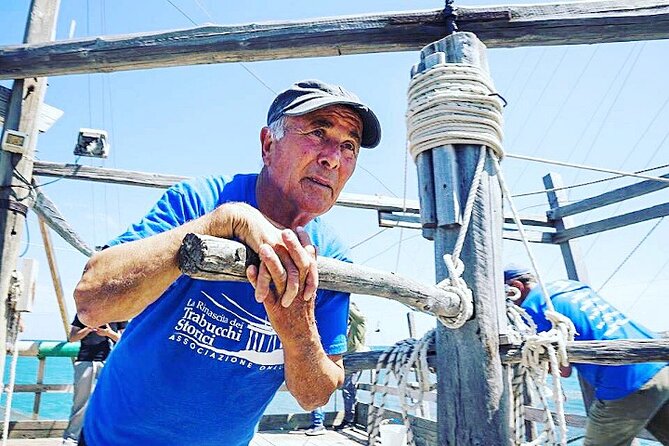
- You help work the old machinery: Turn the winches, pull the net, and collect the catch with the local masters.
- The setting is Baia di Molinella: Meet at the Trabucco of Moline at 6:00 pm in Vieste.
- Gianni, Peppino, and Natale lead the visit: Gianni guides the explanation while Peppino and Natale demonstrate the fishing craft.
- The catch is never guaranteed: Poor conditions once produced only three anchovies, while another session had no fishing success.
- A small apéro is included: Expect rustic pizza, taralli, wine, olives, and water between fishing attempts.
- Your fee supports preservation: The association uses money from guided visits to conserve and rebuild historic trabucchi.
Why the Gargano trabucchi matter
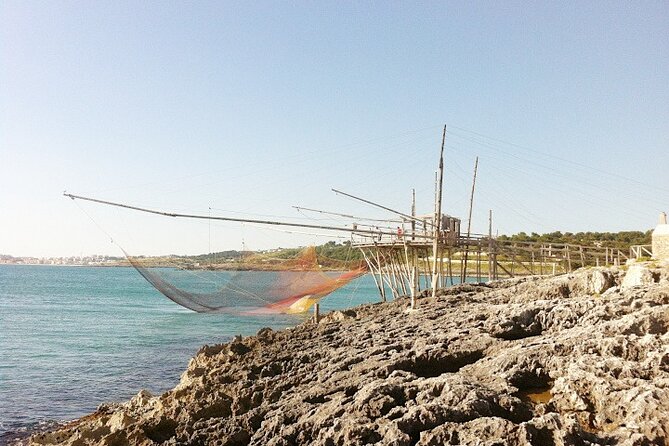
A trabucco is a fishing platform built out over the sea. Long wooden arms extend from the structure, holding a large net that can be lowered and lifted by hand. The method is simple in principle, but it depends on timing, teamwork, and a close reading of the water.
These structures were once central to the fishing economy along the Gargano coast. Until the middle of the twentieth century, families relied on them for work and food. The equipment did not need engines, sonar, computers, or fuel. It needed strong timber, carefully placed lines, sturdy winches, and people who understood the sea.
Today, the Gargano trabucchi are recognized as part of the historical and cultural heritage of Puglia. That status matters because many of these structures have fallen out of use. A visit to Molinella is therefore more than a short activity beside the water. It helps keep an old coastal skill visible and gives the preservation association a reason to maintain the structure.
I like this kind of experience because the technology is easy to understand once you see it working. You are not looking at a display behind glass. You are watching people handle the same basic tools that supported generations of fishermen.
A few more fishing trips around Italy worth a look
- Fishing and Tourism in Capri
★ 5.0 · 328 reviews - Boat fishing, boat tours, boat party
★ 4.5 · 65 reviews - Fishing, Snorkelling & Dolphin Boat Tour
★ 5.0 · 56 reviews
Arriving at Baia di Molinella at 6 pm
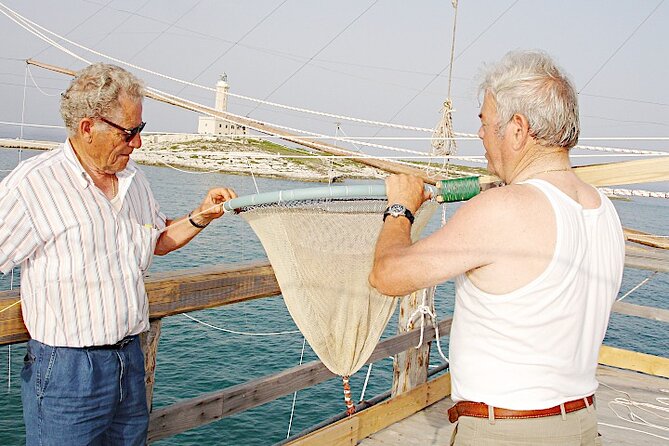
The meeting point is the Trabucco of Moline at Baia di Molinella, 71019 Vieste FG, Italy. The scheduled start is 6:00 pm, and the activity finishes back at the same point.
That timing should work well for a late-day visit. You can spend the earlier part of the day exploring Vieste and then head to the coast for an activity that does not take up an entire evening. The listed duration is about 50 minutes, so you should not expect a long boat outing or a full meal afterward.
Because the meeting place is a specific coastal structure rather than a large transport hub, I would arrive with enough time to identify the correct trabucco. The booking comes with a mobile ticket, and confirmation is sent at the time of booking. Keep the ticket easy to open on your phone.
The private format is worth noting. Only your own group participates, rather than joining a large public crowd. That can make it easier to hear the guide and take a turn at the winch. It also means the experience depends heavily on the people in your group and on the local team being present at the agreed time.
Meeting Gianni and the master trabuccai
The visit is guided by Gianni, with Peppino and Natale serving as the master trabuccai, or keepers of the old construction and fishing tradition. Gianni handles the explanation, while Peppino and Natale show how the apparatus works.
This division gives the visit a useful rhythm. First, you learn what you are looking at and why the trabucco was important. Then you see the explanation put into practice. The masters turn the winches, manage the net, and show how the structure is used.
The strongest part of the experience is the human connection. Peppino and Natale are not simply demonstrating a piece of equipment. They represent a skill passed through local working life, where fishing depended on judgment and cooperation. The descriptions of them as generous and passionate fit the tone of the visit, which appears designed to involve children and adults alike.
If you are visiting with a child, this hands-on element should be especially useful. Children can help with the operation instead of being asked to listen to a long historical talk. One young participant reportedly had a particularly good time helping turn the winches and pull the net.
Turning the winches and lifting the net
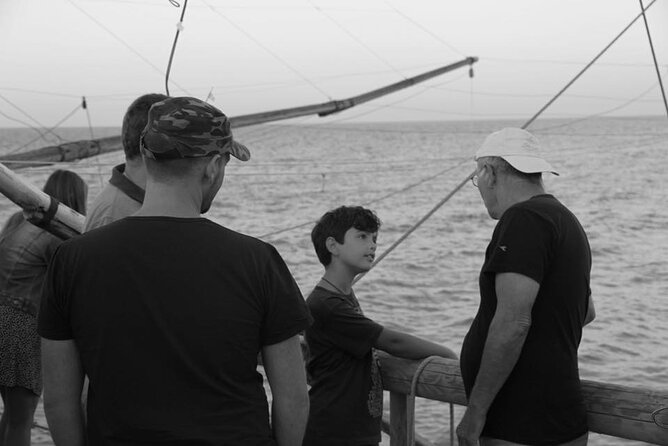
The practical demonstration is the heart of the visit. You help operate the winches, pull the net toward the structure, and collect whatever fish have entered it. This is fishing as coordinated physical work, not the quiet individual patience of a rod and line.
Expect the process to be explained as it happens. You may first watch the masters handle the equipment, then take part under their direction. The important point is that the net does not come up by itself. Several people need to work together, and the timing of each movement matters.
The catch can vary sharply. In one session, rough conditions resulted in only three anchovies. Another demonstration produced no fish at all. That is not a flaw in the traditional method. It is a reminder that the sea controls the outcome.
Still, you should set your expectations clearly. If you want a guaranteed seafood meal or a long period of active fishing, this is not the right choice. If you want to understand how the structure works and accept the possibility of an empty net, the uncertainty becomes part of the lesson.
I would encourage you to take part even if you are mainly interested in culture. Pulling the net gives you a physical sense of the effort involved. A few minutes of work explains more than a photograph of the machinery ever could.
Same water, a different day on it:
- Group Capri tour , visit of caves, fishing legend and swimming
★ 5.0 · 50 reviews - Private tour with fishing, tour of Capri and lunch on board
★ 5.0 · 26 reviews - Bari: Fishing experience aboard an authentic fishing boat
★ 4.9 · 25 reviews - Cefalù: boat trip with fishing, coastal tour, snorkeling, and lunch on board
★ 5.0 · 22 reviews
The small apéro between fishing attempts
Between attempts, the hosts serve a modest refreshment: rustic pizza, taralli, wine, olives, and water. This is not advertised as a full dinner, and you should treat it as a light local apéro rather than a meal.
That simple spread fits the setting. Taralli are traditional ring-shaped snacks from southern Italy, and olives are a natural match for Puglia. The wine and food give you time to chat with the guides and ask questions after seeing the fishing process.
I like this part because it slows the experience down. The visit is short, and the refreshments create an informal moment after the equipment has been used. You can discuss the trabucco, the former fishing economy, and the restoration work without standing in the middle of the demonstration.
Families should find this break useful, especially if younger children need a change from watching the net. People who do not drink wine can choose water, and the food list remains fairly simple. The information provided does not identify specific dietary alternatives, so you should not assume that the snacks can be adapted for allergies or special diets.
What the $22.83 price really buys
At $22.83 per person, the fee is reasonable for a private, guided cultural activity if the visit runs as planned. You are paying for the explanation, the live demonstration, the chance to operate the fishing equipment, the refreshments, and support for the conservation of the trabucco.
The value is not measured by the size of the catch. A successful haul may add excitement, but an empty net does not erase the main purpose of the visit. The structure, the people who maintain it, and the demonstration are the core product.
The short duration does affect the calculation. At about 50 minutes, this is a compact activity rather than a major half-day outing. You should compare it with the price of other cultural visits in Vieste, but the restoration angle gives the fee extra purpose.
I would be more cautious if you are booking mainly for food or fishing. A small catch and small apéro are possible. I would be more positive if you want a local activity that supports preservation and gives you something practical to do.
Weather, catch conditions, and the risk of disappointment
The experience requires good weather. If poor weather causes cancellation, you are offered another date or a full refund. It also requires a minimum number of participants, and a cancellation for that reason comes with the choice of another date or experience, or a full refund.
The weather rule makes sense. The trabucco is exposed to the sea, and the fishing demonstration depends on safe conditions. Bad weather can also affect the catch, so a calm-looking schedule does not promise a successful haul.
You should also know about a more serious practical concern. Some bookings have reportedly involved a no-show, with people waiting about 30 minutes and calling the listed phone numbers without finding the team. Other people were said to be in the same situation.
That problem appears inconsistent with the many positive accounts of Gianni, Peppino, and Natale, but it should not be ignored. I would keep the booking confirmation and contact details handy, arrive on time, and make a reasonable attempt to call if the team is not there. If you are building a tight evening schedule, do not place an important restaurant reservation immediately after the activity.
Free cancellation is available up to 24 hours before the start time for a full refund. Changes or cancellations made less than 24 hours before the start are not accepted for a refund. Those cut-off times use local time in Italy.
Who will enjoy Molinella most
I think this activity suits several kinds of visitors:
- Families with children: The winches, nets, and hands-on work make the story easier to follow.
- People interested in local culture: You see a working tradition rather than only reading about it.
- Visitors seeking a short evening activity: The 6:00 pm start and 50-minute duration fit neatly into a day in Vieste.
- Supporters of conservation: The fee helps an association repair and preserve historic trabucchi.
- Small private groups: Only your group takes part, which allows for a more personal demonstration.
- Visitors comfortable with uncertainty: The fishing result depends on conditions and may be modest or nonexistent.
I would skip it if you need a guaranteed activity with no schedule risk, a substantial dinner, or a long fishing trip. I would also think twice if your only goal is catching or eating fish.
Service animals are allowed, and the activity is described as suitable for most people. The information provided does not give detailed mobility guidance for the structure, so anyone with specific access needs should contact the provider before booking.
The best way to approach the visit
Go with curiosity rather than a checklist. Ask Gianni about the history of Molinella, then pay attention when Peppino and Natale begin working the equipment. The more you watch the coordination between the people and the machinery, the more the structure makes sense.
Do not judge the visit by whether the net is full. A large catch would be a bonus. The real experience is seeing a traditional fishing system operate through human effort, then sharing a simple snack with the people who keep that tradition alive.
I would also leave room in your schedule before and after the activity. The stated duration is short, but a late arrival could mean missing the explanation, and a delayed start would affect plans afterward. Since the experience takes place back at the meeting point, you do not need to arrange a separate end location.
Should you book the Molinella Trabucco?
I would book this if you want a brief, personal look at Gargano culture and do not mind that nature controls the catch. The strongest features are the active role at the winches, the local guides, the private setting, and the preservation work supported by the fee.
Book with realistic expectations. The price is fair for the cultural experience and refreshments, but 50 minutes is not long, and fishing may produce only a few anchovies or nothing at all. The no-show reports are the one serious caution, so confirm the meeting details and keep your schedule flexible.
For families, history-minded visitors, and anyone curious about how coastal communities once worked, Molinella Trabucco is a worthwhile addition to a Vieste itinerary. For a guaranteed meal or a full fishing excursion, choose something else.
FAQ
Where does the Molinella Trabucco experience start?
It starts at the Trabucco of Moline in Baia di Molinella, 71019 Vieste FG, Italy.
What time does the activity begin?
The scheduled start time is 6:00 pm.
How long does the experience last?
The activity lasts approximately 50 minutes.
Does the activity finish at the meeting point?
Yes. The experience ends back at the same meeting point.
What happens during the fishing demonstration?
You help the master trabuccai operate the winches, pull up the nets, and collect the fish, following the traditional method used on a Gargano trabucco.
Is food or drink included?
Yes. A small refreshment with rustic pizza, taralli, wine, olives, and water is offered between fishing attempts.
Is the fishing catch guaranteed?
No. The catch depends on conditions. The demonstration may produce only a small amount of fish or none at all.
What happens if bad weather cancels the experience?
You will be offered another date or a full refund. The experience can also be canceled if the minimum number of participants is not reached, with the choice of another date or experience, or a full refund.
Just added around Italy
- Fishing Experience – Trabucco San Lorenzo★ 4.5 · 12 reviews
- Venice: Relaxing Sunset Ride aboard old fishing boat★ 4.5 · 3 reviews
- Bluefin Tuna Fishing Charter in the Egadi Islands★ 5.0 · 13 reviews
- Fishing in the Bay of Sorrento and Capri★ 4.0 · 2 reviews
- Private Sunset Fishing Experience in Sorrento★ 5.0 · 15 reviews
- Full Day Fishing Tour in Sorrento★ 5.0 · 2 reviews
- Sub Fishing And Snorkeling In The Waters Of Capri★ 5.0 · 4 reviews
- Fishing Experience Around Capri from Sorrento with Lunch Onboard★ 5.0 · 2 reviews
Italy Fishing Trips, compared.
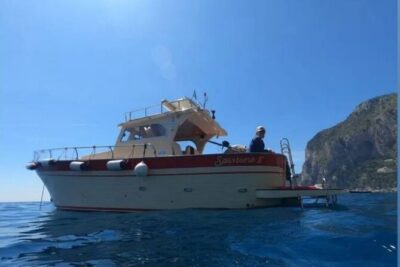
Group Capri tour , visit of caves, fishing legend and swimming
Read our review →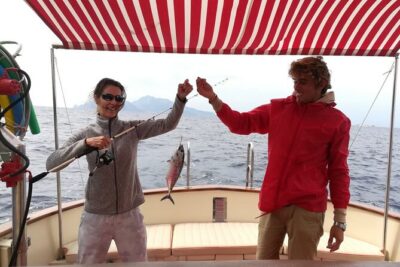
Private tour with fishing, tour of Capri and lunch on board
Read our review →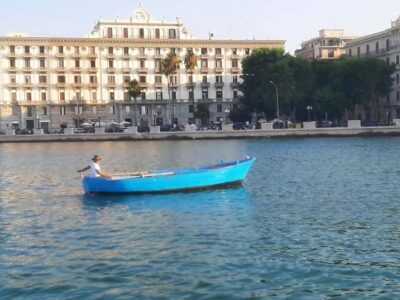
Bari: Fishing experience aboard an authentic fishing boat
Read our review →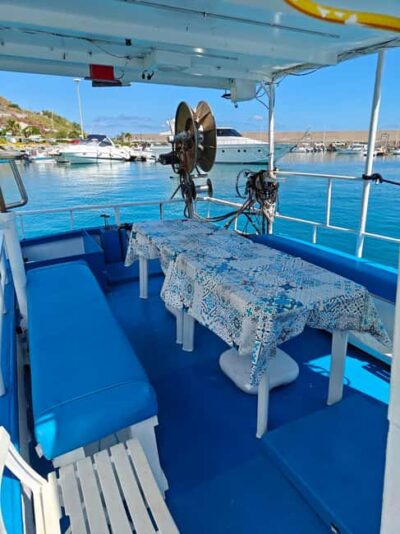
Cefalù: boat trip with fishing, coastal tour, snorkeling, and lunch on board
Read our review →
Browse the lists this tour appears in